How to Stop Mice in Your Attic in Scarborough
For Scarborough residents, attic rodent prevention is not just about reacting after you hear movement overhead. It is about understanding how local homes, weather, and neighborhood conditions create opportunities for mice, rats, and squirrels to get inside. Whether you live in an older detached house near mature trees, a semi with aging roof details, or a newer subdivision with hidden attic access points, the goal is the same: reduce risk before a rodent infestation starts.
In Scarborough, pest control Scarborough services often see the same pattern. Rodents look for warmth, food, and quiet nesting spaces, especially during cold snaps off Lake Ontario. A humid attic with damaged vents, worn roofline details, or unsealed gaps can become an easy target. The best approach combines damage prevention, careful property inspection, and long-term home maintenance so rodents cannot keep coming back.
Why rodents get into attics in Scarborough homes
Rodents usually get into attics because the home gives them exactly what they need: warmth, cover, and hidden travel routes. In Scarborough, that often means taking advantage of small rodent entry points around the roofline or exterior edges of the house. Once inside, they can hide within attic insulation, set up nests, and move quietly above ceilings.
Scarborough’s housing mix counts. Older detached homes may have roofline wear, loose flashing, or aging trim around the roofline. Semi homes often share walls and can have hard-to-see utility openings. Recent subdivisions may seem tight, but small construction gaps, unfinished penetrations, or settling around the structure can still create access. Across these situations, rodents are looking for seasonal shelter, especially when Lake Ontario weather brings long periods of cold and wind.
Scarborough also has plenty of mature trees, close-by green space, and greater urban wildlife pressure. That increases the chance that rodents will be present around homes, sheds, garages, and fences before they find a way inside. The challenge is not just that mice and rats are present; it is that your home may already have the necessary combination of moisture, warmth, and hidden openings.
Common problem areas include:
- Soffit vents that are worn or not firmly attached
- Roof vents with absent screens or damaged covers
- Fascia boards with damage or gaps
- Eavestroughs that are filled, sagging, or backing up
- Foundation cracks that lead to wall voids
- Utility penetrations where cables, pipes, or conduits pass through the home
This is the kinds of entryways that let rodents to move from the outside into your attic. Proper rodent prevention starts by finding them all, not just the obvious ones.
Signs you may already have a rodent problem
A lot of homeowners initially notice a problem after rodents have been active for several weeks or even months. The signs can be subtle at first, but they usually become simpler to spot once the population grows. If you suspect trouble, look for feces, chew marks, and scrape sounds coming from above ceilings or near wall voids.
Pellets are one of the clearest clues. They may appear in the attic near insulation, along beams, or by storage boxes. Fresh droppings usually indicate current activity, while older ones point to a past infestation or a route that rodents continue to use. You may also notice urine stains or a strong ammonia-like smell, especially in closed attic spaces.
Chew marks are another important warning sign. Rodents chew wood, cardboard, plastics, and even softer metals to wear down their teeth. In some homes, homeowners also find chewed wires, which can become a serious safety concern. This is where a basic pest issue becomes a home repair issue as well.
Listen for scrape sounds early in the morning, late at night, or during quiet periods. Mice and rats are often active when the house is still. You may hear movement over insulation, occasional scurrying, or faint dragging sounds from nesting activity. Those sounds often point to nest materials hidden in the attic, such as shredded paper, fabric, or torn insulation.
Other signs include:
- Tiny trails or dark marks along joists and beams
- Bits of insulation pulled into piles
- Odd odors that suggest soiling
- Visible gnaw evidence around vents or openings
If you notice any combination of these signs, it is time to move from monitoring to next steps.
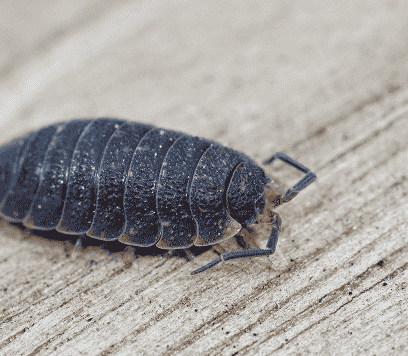
Common pests seen in Scarborough attics
The most frequent loft pests in Scarborough are house mice, Norway rats, and squirrels. Every type behaves differently, but all can cause damage and lead to hygiene problems if they are left in the home.
House mice are little, nimble, and skilled at squeezing through tiny cracks. They often enter through attic access points you would not anticipate, such as loose trim, utility openings, or small gaps near vents. Once inside, they can breed fast and travel across the home if not handled promptly.
Norway rats are more substantial and usually require wider gaps, but they are forceful, tenacious, and capable of creating serious damage. They may travel from the yard, foundation line, or exterior clutter into wall voids and attic areas. In some Scarborough homes, particularly those near dense landscaping or older service areas, rats use hidden structural wear.
Squirrels are common in neighborhoods with mature trees and nearby green space. They can access roofs through overhanging branches and then work their way into the attic through damaged vents, roof edges, or gaps near the roofline. Their activity often sounds more forceful than mice or rats, with more noticeable darting, banging, or repeated scratching.
While each species is different, the prevention strategy is similar: identify the opening, address the conditions that attract them, and use dependable exclusion methods to block re-entry. That is why understanding the species matters when planning ongoing risk reduction.
How to secure attic entry points properly
To stop access, you need to think like a rodent. They do not need a large hole; they need a manageable path into the structure. Effective sealing means looking beyond the attic itself and checking the entire exterior envelope of the home.
Start with a thorough home inspection of the roofline, soffits, and lower exterior. Look for damaged shingles, lifted flashing, and exposed gaps near the eaves. Pay close attention to soffits and soffit vents, since these are common weak spots. If vent covers are missing or loose, rodents can exploit the opening quickly.
Check the roof for compromised roof vents. A damaged vent cap or broken screen can give rodents direct access into the attic. Also inspect fascia boards for rot or separation, since these areas often deteriorate quietly over time. On older Scarborough homes, roofline wear is a common maintenance issue, especially after freeze-thaw cycles and seasonal storms.
Do not forget the lower sections of the home. Cracks in the foundation can connect to wall cavities, and rodents may use them as a path upward. Even small openings around pipe entries can allow mice to move inside. These gaps should be sealed with proper materials, not just temporary filler, to support long-term weather resistance and rodent exclusion.
Good sealing practices include:
- Use long-lasting materials that rodents cannot chew through easily
- Fill gaps around vents, utility lines, and exterior joints
- Fix broken screens and vent covers promptly
- Trim back branches that touch or overhang the roof
- Inspect eaves, fascia, and soffits each season
Because Scarborough weather changes quickly, especially around the lake, a one-time fix is rarely enough. Regular sealing and follow-up checks are part of real long-term exclusion.
Why cleanup and sanitation ought to happen after rodents
Once rodents have been in an attic, cleaning matters as much as sealing. Droppings, urine, nesting debris, and damaged materials can leave behind contamination that affects air quality and insulation performance. If the attic contains contaminated insulation, it may need to be removed and replaced depending on the extent of the issue.
The first step is safe debris removal. That includes nesting material, food remnants, droppings, and any visibly damaged contents. Because rodents can spread contamination through urine and feces, cleanup should not be treated like ordinary household tidying. It requires proper sanitation and careful handling of materials.
Odor is often a major concern. Urine odor can linger long after rodents are gone, especially in enclosed attic spaces. If the smell is strong, it may signal active contamination or old material that was never properly cleaned. In these cases, sanitization should target both the affected surface and surrounding areas to reduce lingering bacteria and smell.
Professional-grade disinfection is often recommended after a significant rodent issue. This is especially important if rodents have been nesting close to ducts, air pathways, or storage areas. The goal is not only to clean what you can see, but to reduce the health risks associated with hidden contamination.
Cleanup after rodents usually includes:
- Taking away droppings and nesting debris
- Assessing insulation for replacement needs
- Handling odor sources and urine-contaminated areas
- Disinfecting exposed surfaces
- Inspecting for damage to wiring, wood, and ventilation materials
In many Scarborough homes, especially older ones, the attic may also contain stored items. Those materials can hold contamination or conceal infestation signs, so every item should be inspected carefully.
When expert pest control in Scarborough is needed
Some problems can be outdoor pest control near me handled with simple upkeep, but if you see repeated activity or multiple signs of a rodent infestation, it is time to seek out pest control Scarborough support. Experienced technicians can locate hidden access points, explain the source of the issue, and put forward a plan that combines inspection, exclusion services, and targeted control measures.
Professional exclusion services are especially helpful when the entry route is difficult to spot. Rodents may be getting in through roof details, behind cladding, or through tiny outside openings that are easy to miss without experience. A trained inspection can uncover how mice and rats are moving through the home and where to focus repairs.
Rodent baiting may be used in some situations, mainly when there is active movement and the goal is to decrease the current population. However, baiting alone does not solve the root problem. Without sealing entry points and addressing sanitation, rodents may simply return. The strongest results come from combining control with exclusion methods and cleanup.
A professional inspection is also important if you are unsure whether the issue involves mice, rats, or squirrels. Each species can require a different response. For example, squirrels may need roof-level repairs and exclusion from nesting areas, while mice often require more detailed gap sealing across the whole building envelope.
Call a professional if:
- You hear frequent scratching or movement in the attic
- You find recent droppings or multiple nests
- There are signs of chewed wires or electrical damage
- You cannot locate the entry points
- The attic smells heavily of urine or contamination
For many Scarborough homeowners, notably those balancing older housing conditions with seasonal maintenance needs, professional support is the fastest path to reliable risk reduction.
Proactive maintenance tips for year-round protection
The best way to stop rodents out is to render your home less appealing all year. That means approaching rodent prevention as part of routine property maintenance, not a one-season project. Scarborough’s mix of wet winters, spring thaw, and summer landscaping growth means conditions around the home change often.
Start with trash management. Keep bins sealed, remove waste regularly, and avoid placing food scraps or pet food outdoors. Rodents are opportunistic, and easy access to food near the house increases the chance they will enter tick inspection Scarborough your roofline and attic access.
Landscaping also has a big role. Overgrown shrubs, tree branches, and dense mulch near the foundation create shelter and pathways for rodents. Trimming vegetation back from the home reduces cover and makes the exterior easier to inspect. In Scarborough neighborhoods with mature trees and nearby green space, this step is especially important because urban wildlife pressure is often higher.
Additional maintenance habits that assist prevention include:
- Inspect the attic and roofline at least seasonally
- Check for roof damage after storms or freeze-thaw cycles
- Watch for new cracks around the foundation
- Keep soffits, vents, and eavestroughs in working condition
- Repair loose fascia boards before they widen into openings
Winter matters most. Rodents are driven indoors by winter shelter needs, and Scarborough’s cold season can push them to seek warmth in attic insulation and wall cavities. If you perform a careful property inspection before winter, you have a much better chance of stopping them before they settle in.
Think of prevention as a cycle: inspect, seal, clean, maintain, and repeat. That approach supports long-term damage prevention and helps keep your home protected against seasonal pests.
FAQ about attic rodent prevention
What are the first signs of rodents in an attic?
The first signs are usually droppings, gnaw marks, faint scratching noises, and a noticeable odor from urine stains or contamination. You may also see nesting materials, insulation disturbance, or chew evidence around vents and wiring. If you notice any of these, inspect quickly before the problem spreads.
What is the best way to stop mice from getting into my attic?
To prevent mice, start with rodent proofing the exterior. Locate and seal gaps around soffit vents, roof vents, fascia boards, foundation cracks, and utility penetrations. Then clean up food sources, reduce clutter, and keep up with regular home maintenance. Mice can fit through tiny openings, so attention to detail matters.
Is it better to use traps or contact a pest control professional?
Traps can help in limited situations, but if the problem is current, widespread, or tied to hard-to-find entry points, a professional is usually the better choice. A pest control professional can provide inspection, exclusion services, and, when needed, rodent baiting. That overall strategy is more effective than trapping alone.
How often do Scarborough homes need rodent inspections?
At minimum, inspect seasonally, with added focus before winter and after major storms. Scarborough homes benefit from regular checks because roofline wear, vent gaps, and changing weather can create new openings over time. Older homes, homes near mature trees, and properties close to green space may need more frequent inspections.
Mosquito Man Scarborough1225 Kennedy Rd, Scarborough, ON M1P 4Y1, Canada
+1 647-243-7241
https://maps.app.goo.gl/8SuLx1MkkqVJFc2m9 https://mosquitoman.ca/pest-control/scarborough/
43.7561897, -79.2751574
Can rodents damage attic insulation and wiring?
Yes. Rodents can tear up attic insulation to build nests, leave behind contaminated insulation, and create chewed wires that may become a fire or repair concern. They can also spread contamination through droppings and urine, which is why sanitation and disinfection are important after an infestation.